
24/7 Emergency Line Open
Claremont, CA · Water line repair
Claremont Water Line Repair and Replacement from the Meter to the House
The water line is the pipe that carries water from the street meter to the house, and it spends its life underground. When it fails, the signs show up on the surface: a soft, wet strip of lawn, a dial that keeps turning when nothing is running, a bigger water bill or pressure that falls across the house.
Finding the failure and choosing between a spot repair and a replacement are the two decisions. The sections below lay out how each is made, and what to do while you wait for a plumber.
- Licensed and insured plumbers
- Same-day service when available
- 24/7 emergency dispatch
Water line repair: signs the line has a leak
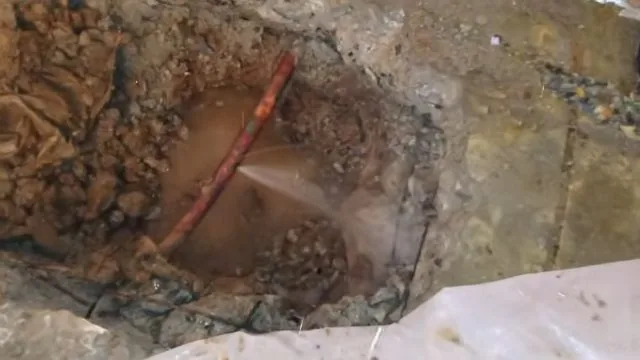
The main water line is the pipe between the utility meter and the house, and every fixture depends on it. A leak on the service line seldom looks like a leak. The water goes into the soil and shows up wherever the ground is softest, which might be a patch of lawn, a driveway edge or a wall base far from the break. A meter test settles the question: with every fixture and appliance off, a meter dial that turns means water is going somewhere. If the dial is still, the leak is not on the pressurized side of the line.
- A wet or sunken patch in the yard when the sprinklers have been off for a day or more.
- Water noise in the walls or a hiss near the meter when nothing is running.
- A bigger water bill although nobody in the house has changed their habits.
- Low pressure at every tap at once, rather than at one fixture.
- Dirty water after a period of low flow, which can mean soil entering through a break.
The plumber uses a meter check, then listening gear and the layout of the property to narrow down where the line has failed. A confirmed spot is excavated and repaired, and where several breaks or corroded sections turn up, replacing the whole line is worth discussing. For leaks that stay hidden after the first checks, leak detection and repair covers the tools used to pinpoint them.
Water line replacement: when the whole line goes
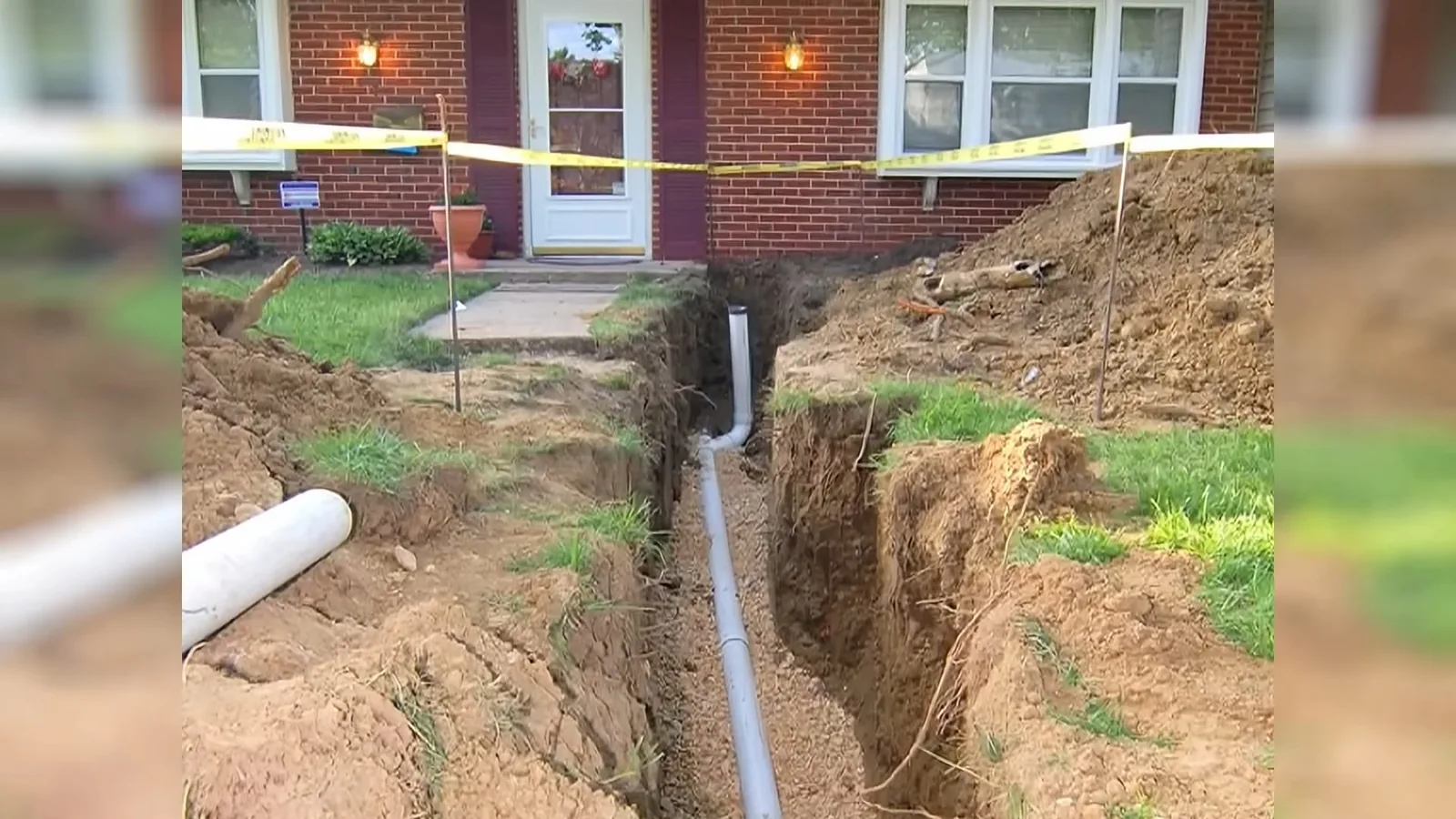
A replacement installs a new line along the old route or a new one, from the connection at the meter to where the line enters the house. The plumber chooses a route that avoids trees, driveways and other utilities where possible, and trenching and trenchless methods each have a place. Trenchless methods pull a new pipe through the path of the old one with less digging, but they need the old route to be in a state that allows it.
Spot repair or full replacement
| Condition found | Likely work | Reason |
|---|---|---|
| One break in a sound line | Spot repair | The rest of the line tests as serviceable |
| Repeated breaks along the run | Replacement | The pipe is failing across its length |
| Corroded or thin-walled pipe | Replacement | New breaks are likely close by |
| A line that is too small for the house | Replacement | Flow cannot be raised without a bigger pipe |
| A leaking fitting at the meter or the house | Repair the connection | Only the joint needs work |
Work on a water line is permitted work, since the City of Claremont lists water or sewer line replacement among projects that need a building permit. Work in the public right of way, such as a street or sidewalk, needs a separate encroachment or public works permit from the Engineering Division.
Water line leaking or meter running?
Call dispatch and describe the wet spot and what the meter is doing. A plumber serving your area can start from that.
Service line, yard line and who owns what
Water in the Claremont system comes from Golden State Water Company. Where the utility's responsibility ends and yours begins depends on the meter and the property, so confirm it with the water provider before assuming a repair is theirs or yours. Generally the pipe on the house side of the meter is the property owner's, and the plumber can tell you which segment is which once the line is exposed.
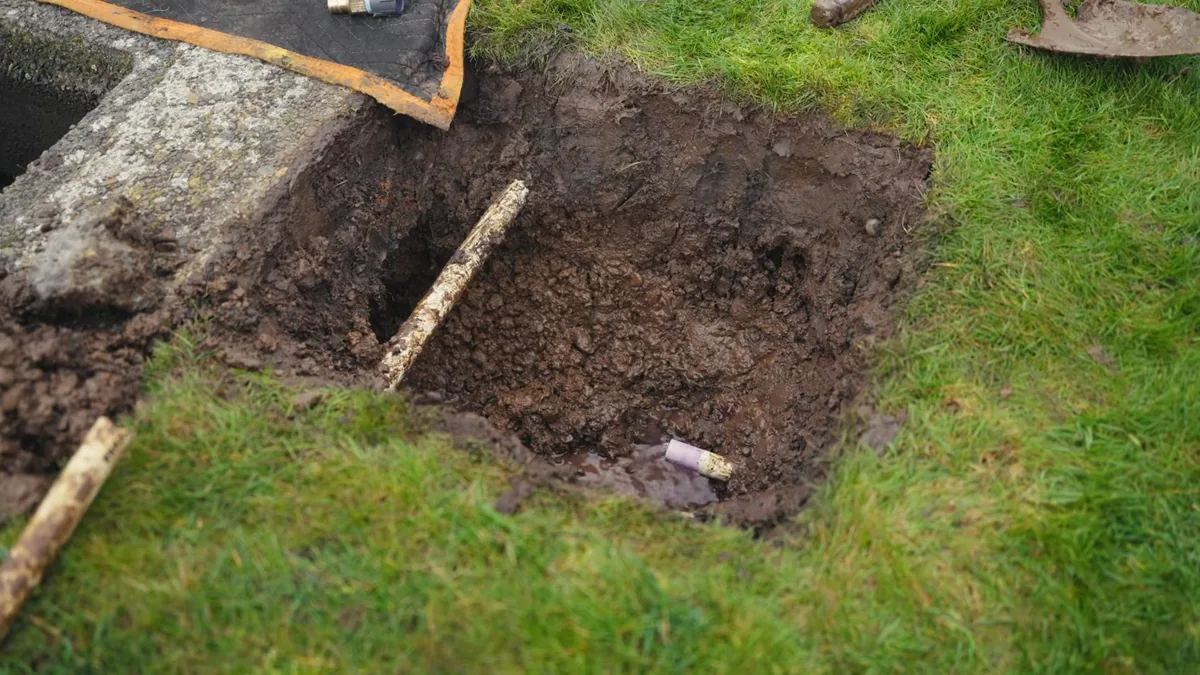
California law requires a call to 811 before digging. According to the Contractors State License Board, DigAlert must be contacted at least two working days before excavation so that buried utilities can be marked. A plumber digging for a water line makes that call as part of the job, and a homeowner planning to trench a yard for any other reason should do the same.
High pressure, low pressure and the regulator that sets it
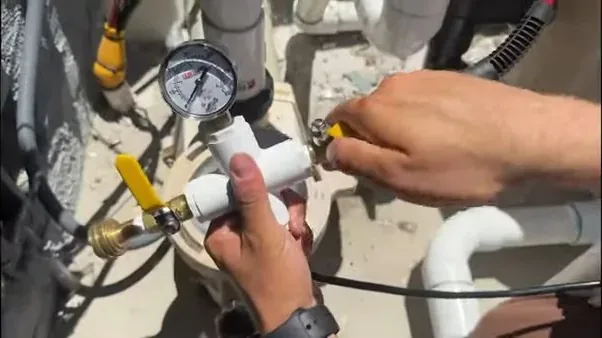
Pressure is the other half of a water line job. High pressure stresses every pipe, fixture and appliance in the house, and shows up as banging pipes, short-lived fixtures and relief valves that drip. Low pressure usually points to a clogged filter or screen, a failing regulator, a partly closed valve or a leaking or undersized line. The plumber measures pressure with a gauge at a hose bib before deciding anything.
Parts that control pressure
- Pressure regulator. A bell-shaped valve near the main shutoff that lowers street pressure for the house. A failed regulator can let full pressure through or choke the flow, and a replacement is a short job.
- Main shutoff valve. The valve that stops water to the whole house. Old gate valves seize or leak, and a quarter-turn ball valve is a common replacement.
- Water meter side. The meter belongs to the utility, and a leaking meter connection is reported to the water provider.
- Pressure test. After any line work, the plumber pressurizes the new section and checks for drops before closing the trench.
If low pressure follows a repiping job or an old galvanized system, the trouble may be inside the house, and the whole-house repiping page covers how interior lines are judged.
Pressure or water line problems?
Call now and reach dispatch for a plumber serving your area. Same-day service is offered when available.
Before the plumber arrives: how to help the visit go faster
- Find the water meter and the main shutoff valve, and clear the lid or the area around them.
- Run the meter test: close every tap and appliance, then watch the dial for movement.
- Photograph the wet area, the meter and any pressure gauge reading you have.
- Note when the symptoms began and whether sprinklers or irrigation share the line.
- Keep children and pets away from soft ground or an open trench.
Sprinkler and yard irrigation lines are a separate trade from the house water line. If the leak turns out to be on the irrigation side, the plumber will say so and suggest a sprinkler or landscape specialist for that part.
Common questions about water line work
How do I know the leak is in the underground line?
A spinning meter with every fixture closed, a wet patch with the sprinklers off and a bigger bill with the same household all point there. The plumber confirms it with a meter test and locating tools.
Does the plumber call 811?
Digging for a water line starts with a call to 811 so buried utilities can be marked, and the plumber handles that as part of the job. Marking takes at least two working days under the state rule.
Will my yard be torn up?
A spot repair opens a small trench. A replacement can be trenched or pulled through with trenchless methods when the route allows it. The plumber explains the footprint before work starts.
What does a pressure regulator do?
It reduces street pressure to a level the house can handle. A worn regulator lets pressure drift up or choke the flow, and replacing one is a short job.
Is the line my responsibility?
Usually the pipe on the house side of the meter is the owner's. Confirm the boundary with the water provider for your address.
Water line trouble in Claremont?
Call now and reach dispatch for a licensed and insured plumber serving your area. Same-day service is offered when available.
- Licensed and insured plumbers
- Same-day service when available
- 24/7 emergency dispatch