
24/7 Emergency Line Open
Claremont, CA · Water heater repair
Claremont Water Heater Repair When the Tank Leaks or the Hot Water Stops
A shower runs cold halfway through, or a damp ring has appeared around the base of the tank. These two problems look alike from the bathroom and are very different on the repair bill: a heater that has lost hot water often needs a part, while one that is leaking from the tank itself is usually finished.
Working out which one you have comes before any recommendation. Call dispatch and describe what the heater is doing, and the plumber arrives with a plan for your address.
- Licensed and insured plumbers
- Same-day service when available
- 24/7 emergency dispatch
Leaking tank or leaking fitting: the question that decides the repair
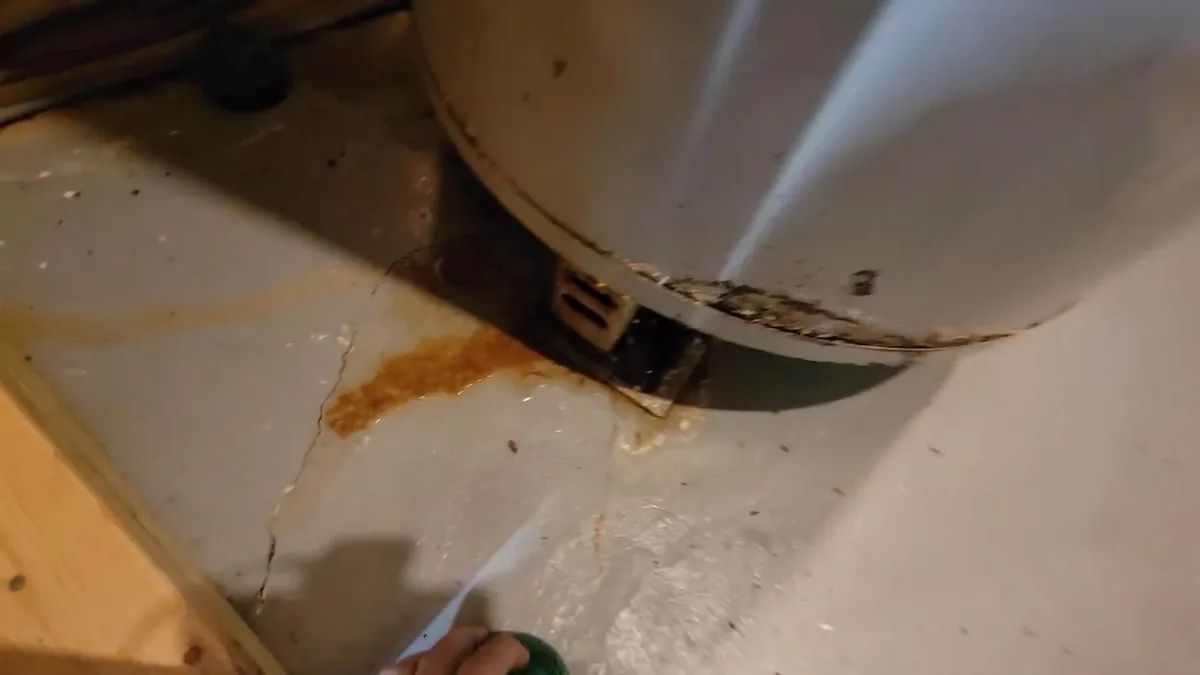
Water around a heater can come from three places, and only one of them means the tank has failed. A leak at the cold inlet, the hot outlet or a shutoff valve is a fitting that can be tightened or replaced. A drip from the temperature and pressure relief valve or its discharge pipe points to pressure or temperature trouble. Water that seeps from the bottom of the tank jacket or from under the tank means the steel shell has corroded through, and no repair will fix that.
The plumber dries the fittings, then watches where the first bead of water forms. Taking a photo of the leak and the age label on the tank before the visit helps dispatch judge the likely outcome. Dispatch offers a same-day visit for a leaking tank when one is available. When the tank itself is leaking, the conversation moves to water heater replacement, and the plumber explains the sizing, venting and permit questions that come with a new unit.
Gas or electric: where each type usually fails
The two types lose hot water for different reasons, which is why dispatch asks what fuel you have before anything else.
| Symptom | Gas tank heater | Electric tank heater |
|---|---|---|
| No hot water at all | Pilot out, failed thermocouple or flame sensor, or a gas control fault | Tripped breaker, a high-limit reset trip or a failed upper element |
| Hot water runs out fast | Sediment in the tank, a failed dip tube or a weak burner | A failed lower element or a bad lower thermostat |
| Water is only lukewarm | A burner that cannot reach temperature, or a dirty flame | One element failed, so the other heats alone |
| Popping or rumbling noise | Sediment layer under the burner | Sediment around the elements |
Each of these is a repair of an existing tank: relighting and cleaning a pilot, replacing a thermocouple or igniter, a thermostat or an element. The plumber tests before replacing a part, because a tripped limit switch and a failed element look the same from outside.
Hot water gone for good?
Call dispatch, tell them gas or electric and what the heater is doing, and get a plumber lined up for your address.
Hard water, sediment and why flushing matters in Claremont
Claremont's water comes from Golden State Water's Claremont system. The utility's 2026 water quality report puts average hardness near 190 mg/L, roughly 11 grains of hardness per gallon, within a range from 97 to 330 mg/L. Hard water leaves scale, and in a tank heater that scale settles at the bottom as sediment.
| What the water report shows | What it does inside the tank | What the plumber checks |
|---|---|---|
| An average near 190 mg/L, or roughly 11 gpg | Scale builds on elements and burner surfaces, and sediment collects at the bottom | Flush the tank and inspect the drain valve |
| Readings from 5.7 to 19 grains per gallon in the same report | The average is only an average, so a home can see harder or softer water than 11 grains | Whether a flush schedule is enough, or the unit needs more |
A flush draws out loose sediment, and a tank that has not been flushed in years may clog the drain valve, which the plumber will test before opening it. If the heater is old and the sediment is hard, a flush may reveal a leak that the sediment had been plugging, so the plumber warns you before starting. Scale builds more slowly when the water is softened first, which is covered under water softeners.
Pilot, igniter, thermostat, element and noise: the small repairs
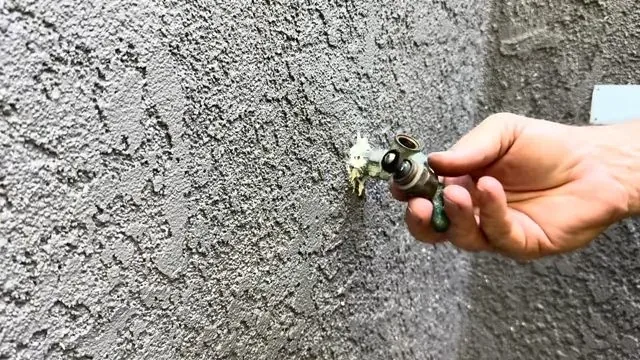
- Pilot or igniter that will not hold. A dirty pilot tube, a worn thermocouple or a failed igniter is the usual cause, and each is a part swap on a gas unit.
- Burner that lights and goes out. A flame sensor with soot on it, or a draft that disturbs the flame, can shut the burner down.
- Thermostat or element on an electric unit. Elements burn out one at a time, and each thermostat controls its own element, so the plumber tests both.
- Water too hot or not hot enough. A thermostat set too high, or one that has drifted, is a quick adjustment or a replacement.
- Popping, ticking or rumbling. Water trapped under a sediment layer boils and bubbles, which is why noise often goes away after a flush.
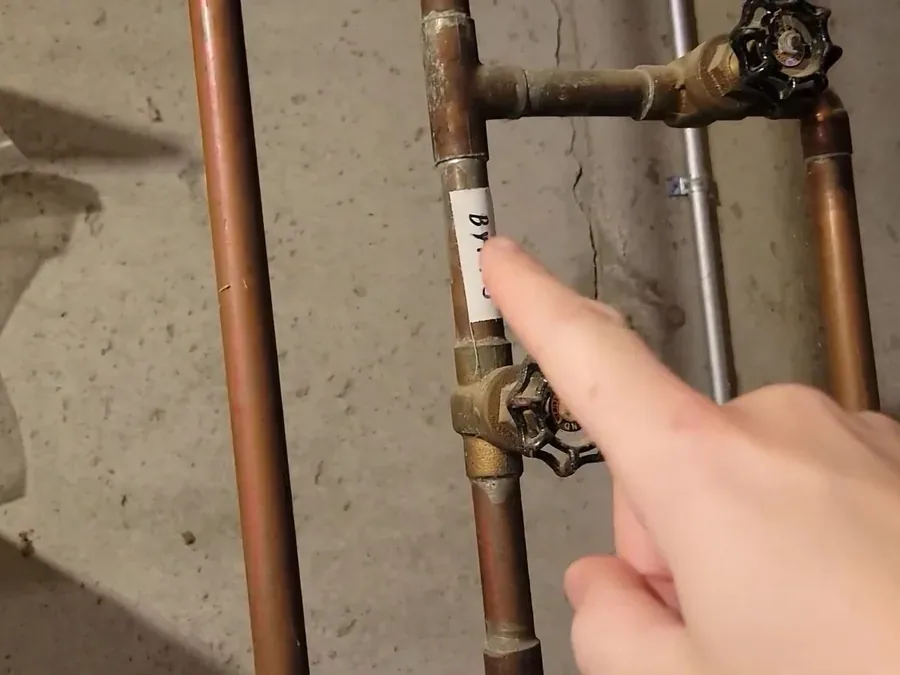
Heaters also lose hot water at the fixture, not the tank. If only one tap runs cold, the problem is a mixing valve or a fixture cartridge, which is a fixture repairs question rather than a heater one.
Heater leaking or cold showers?
Call now and reach dispatch for a plumber serving your area. Same-day service is offered when available.
Bracing, permits and the repair-or-replace decision
State law, Health and Safety Code section 19211, calls for every residential heater to be anchored or strapped as the plumbing code describes. For a typical tank, that means two straps, one in the upper third and one in the lower third. A repair visit is the time to check that the straps are there and tight, because a loose tank can shift and strain its pipes in an earthquake.
Permit questions for a heater job go to the Building Division at (909) 399-5460, and the plumber should tell you who applies and who books the inspection. Many Claremont houses date to the 1960s, and the median is about 1966 in a neighborhood profile built on census data. A heater in an original garage closet can be old, and its age label shows where it stands.
Expect a straight answer on whether a repair is worth making. A thermostat, element or igniter on a heater that is otherwise sound is. A leaking tank, or a unit with heavy corrosion and recurring failures, is not. If the tank has already flooded the garage or a floor, drying starts with restoring a wet house.
Common questions on water heater visits
What should I check before I call?
Note gas or electric, the age on the label, where the water is, and whether the pilot or any breaker is out. Photos of the label and the leak help. Do not remove panels or relight a pilot if you smell gas.
Can a pilot be relit safely at home?
Many manufacturers print the steps on the tank, but a pilot that keeps going out has a cause. Relighting repeatedly hides a failing part, so let the plumber check the thermocouple and the draft.
Is a rumbling heater about to fail?
Not necessarily. Rumbling usually means sediment, and a flush often quiets it. A tank that rumbles and also leaks, or is far past its expected life, is a different matter.
Does an expansion tank belong in a repair?
An expansion tank absorbs pressure when heated water expands. Repeated relief valve drips can point to one that has failed or was never installed, and the plumber checks the pressure before deciding.
How is a repair different from a flush or maintenance visit?
Maintenance is flushing, checking the anode, the straps and the relief valve while the heater still works. A repair starts with a symptom, such as a leak, no hot water or a part that has failed.
Water heater trouble in Claremont?
Call now and reach dispatch for a licensed and insured plumber serving your area. Same-day service is offered when available.
- Licensed and insured plumbers
- Same-day service when available
- 24/7 emergency dispatch