
24/7 Emergency Line Open
Claremont, CA · Repiping and pipe repair
Emergency Repiping and Pipe Repair in Claremont: Fix a Section or Replace the Lines
A pipe that bursts in a wall or ceiling is an emergency, and the first job is to stop the water. A pipe that leaks a little at a time is a slower problem with a bigger decision behind it: patch one failure, or replace the lines before the next one lets go.
This page walks through that decision in the order most homeowners face it. Stop the water, find the damage, repair what is sound enough to keep, and repipe when the pipe itself is what has failed.
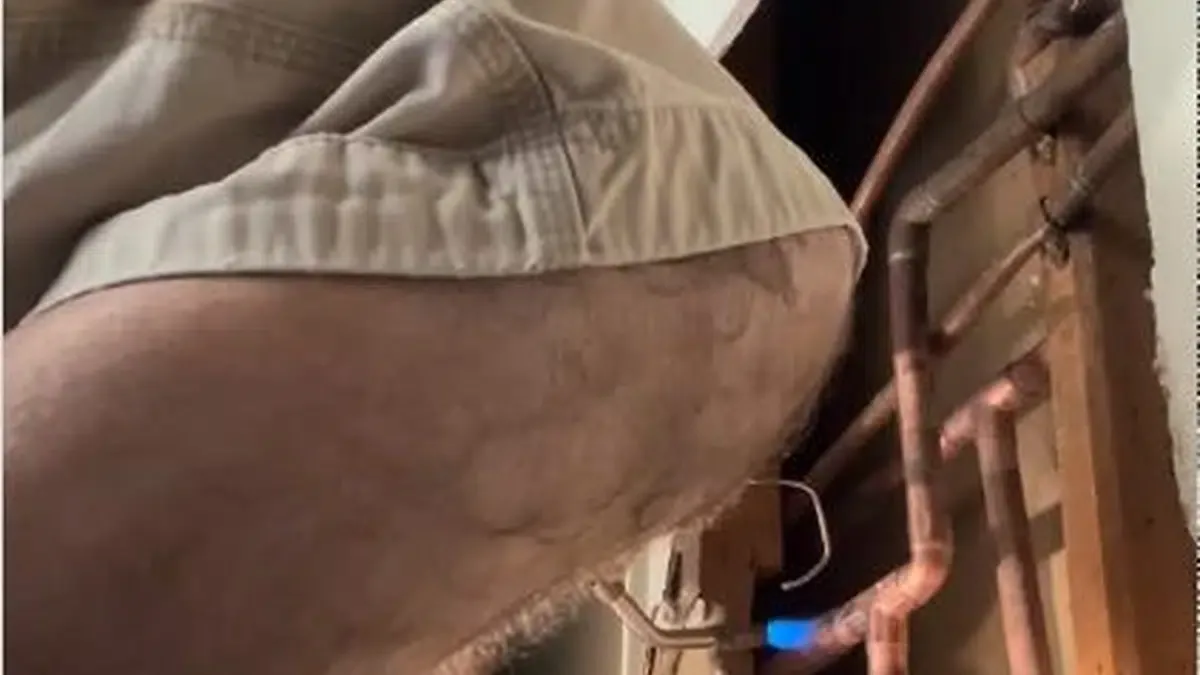
- Licensed and insured plumbers
- Same-day service when available
- 24/7 emergency dispatch
Burst pipe: stop the water, then find the break
Water from a burst pipe does damage by the minute, so the order of steps matters. Close the main shutoff valve, open a low faucet to relieve the pressure and switch off the breaker for any outlet near wet ground or ceiling. Then call dispatch and say where the water is and what is wet. A plumber serving your area can start from that description.
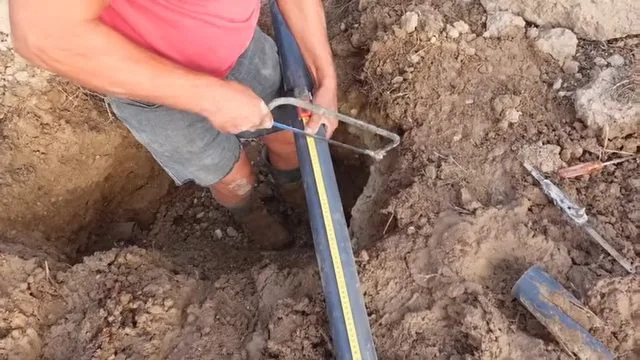
With the water off, the plumber opens the wall or ceiling only where the leak is, using the water pattern and the layout of the lines. A section of pipe that is split, pinholed or blown apart at a joint can often be cut out and replaced with new pipe and fittings. The harder question is whether the rest of that line is in the same condition, and the plumber looks at the pipe on either side of the break before deciding. Wet drywall, insulation and flooring then become a water damage restoration job.
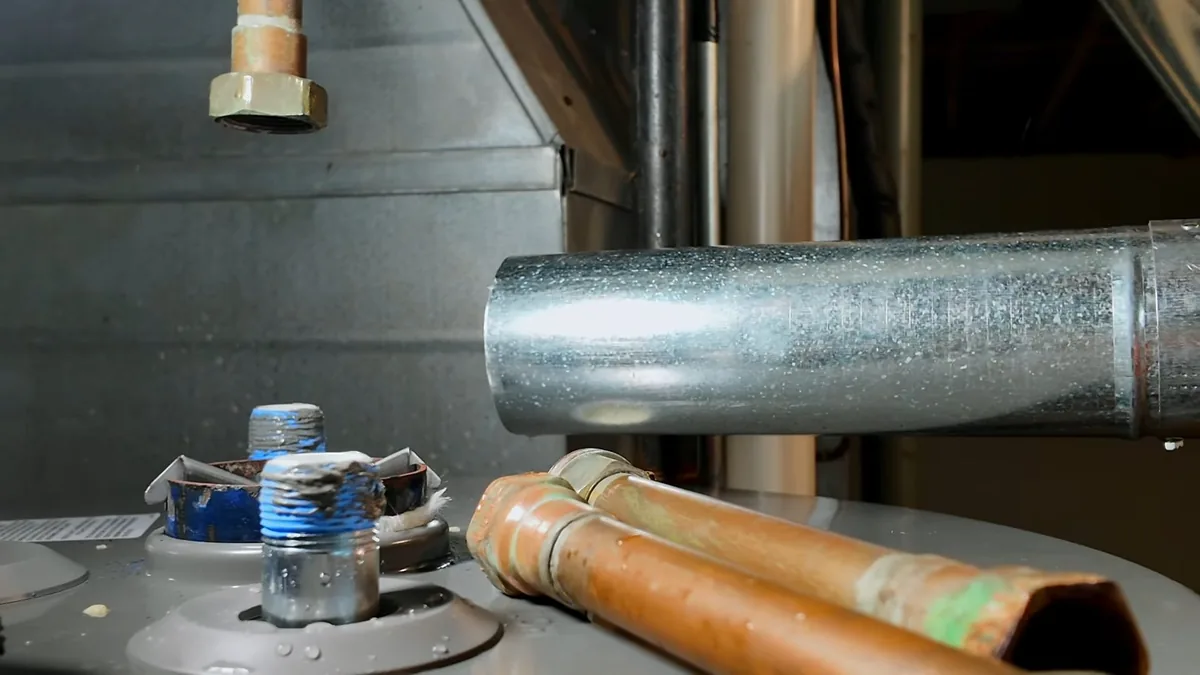
Pipe repair or whole-house repiping: how the decision is made
A single failure is a repair, and the leaky pipe repair process starts with cutting out the failed section and testing the pipe beside it. Two or three failures in a short span are a pattern, and the pattern is the useful clue. Premature wear on plumbing components shows up where the metal is thinnest, where the water runs fastest or where the joints have aged, and a second leak close to a repaired one is a sign that the neighbors are in the same state.
| What you are seeing | Points toward | Why |
|---|---|---|
| One leak in one spot, pipe otherwise firm | Section repair | The rest of the line tests sound and the failure is isolated |
| A second leak within a year in the same line | Repiping that line | The pipe wall has thinned along its length |
| Pinhole leaks in several rooms | Whole-house repipe | Each leak is one more point where the same material fails |
| Rusty or brown water and falling flow | Repipe galvanized lines | Corrosion inside narrows the bore and sheds rust |
| A leak behind a finished wall that cost a lot to open | Weigh a repipe | Opening walls twice costs more than opening them once |
The plumber lays out both paths with the work each one involves, then lets you choose. A repipe is a larger project, and being offered a repair first, with the repipe described honestly as the next step, is a reasonable way to start.
Pipe burst or leaking?
Call dispatch now, tell them where the water is and whether the main is off, and get a plumber on the way.
Whole-house repiping and what replaces the old lines
A whole-house repipe replaces the supply lines from the meter side of the house to every fixture. The plumber chooses a route through walls, attic or crawl space, and opens access holes where the new lines have to turn or connect. The housing stock here is mature, with a median build year around 1966 per a census-based neighborhood profile, so supply lines of that age are a reasonable thing to ask about. The material is whatever the plumber finds when the first section is exposed. The scope covers the pipes, fixtures and installation hardware such as stop valves, so ask for the fixture connections to be listed in the plan.
Pipe materials the plumber may find
- Copper. Long-lived and common in new and repiped houses, copper resists many failures but can pit or leak at joints over time.
- PEX. Flexible plastic tubing that snakes through walls with fewer joints and is widely used for repiping.
- Galvanized steel. Older zinc-coated steel that corrodes from the inside, narrows the bore and eventually leaks, and it is a common reason to repipe.
- CPVC. Rigid plastic used for supply lines in some houses, which can become brittle with age.
- Polybutylene. A gray plastic used in some older homes and known for failing at its fittings, which is why it is usually replaced.
The plumber identifies the material with a visual check at the water heater, the meter side and under sinks. Replacement pipe is chosen for the house, the access and the budget. Because a repipe counts as plumbing work, confirm the permit with the City of Claremont's permit guidance, which lists plumbing work and water or sewer line replacement.
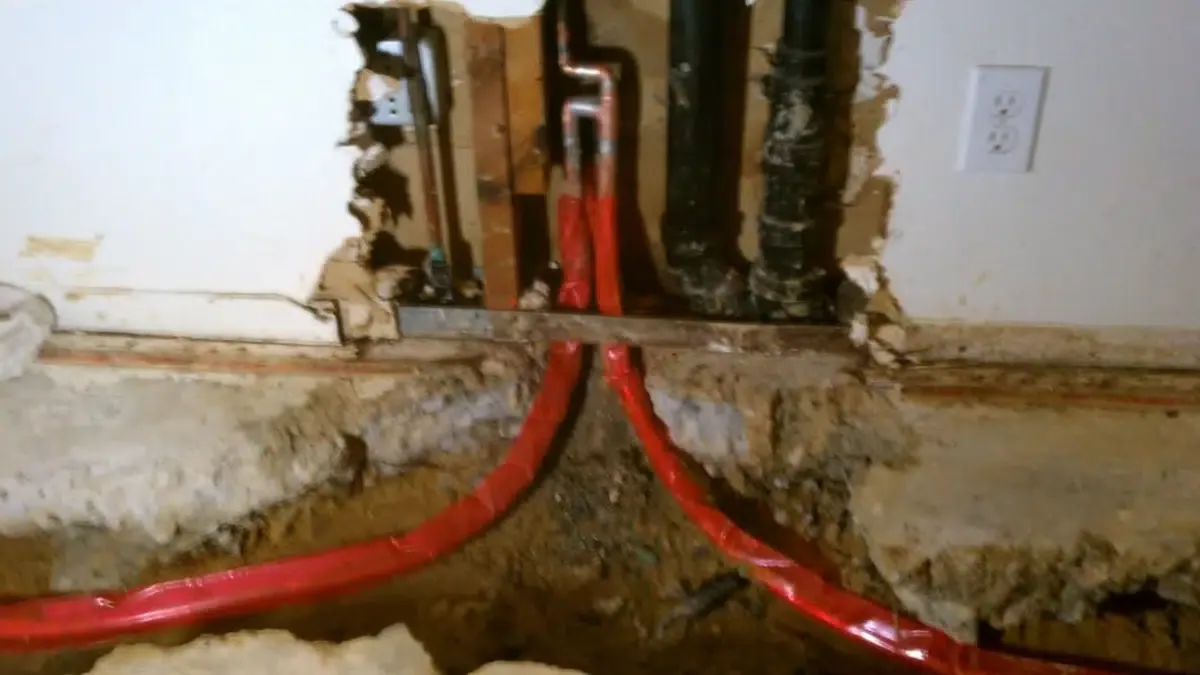
Pinhole leaks, copper and why one pinhole rarely stands alone
A pinhole leak is a small hole eaten through the pipe wall from inside, often letting out a fine spray that stains a wall or drips for weeks before it shows. Copper is the usual place people meet them, and the cause can be water chemistry, flow speed, a poor joint or simply age. The first pinhole is repaired by cutting out the damaged inch and joining new pipe, and the plumber checks nearby sections for the same thinning.
If a meter reads movement with every fixture closed, the leak may be somewhere you cannot see. locating the leak pinpoints it before any wall is opened. If the lines run under the slab, the answer is different again, and the choices for that case are set out under slab leak detection.
Pipes failing in more than one place?
Call now and reach dispatch for a plumber serving your area. Same-day service is offered when available.
Pipe replacement for galvanized, under-slab and underground lines
Galvanized steel gives away its age at the faucet: low flow, rust-tinted water that clears slowly and fittings that crumble when touched. Replacement means new supply lines throughout, since patching a corroded line only moves the next failure down the pipe. Pipes that run under a concrete slab or underground are the hardest to reach. The plumber can reroute them through walls and the attic instead of breaking concrete, and that is a common choice when a slab line has failed.
Drain lines are a different matter
Drain lines of cast iron, PVC and ABS age differently from supply pipes, and their repairs are a different trade within plumbing. A drain that has cracked or sagged is covered under repairing the sewer line once the problem is beyond the first few feet of house piping. Water that reaches the main line should be examined together with the main water line to see whether the trouble begins outside the house.
Common questions about repiping and pipe repair
How long does a whole-house repipe take?
The length of the job follows the size of the house and how much of it must be opened. The plumber gives a window after walking the house and explains which rooms are affected.
Do I need to leave the house during a repipe?
Water is off for part of each day, and there is dust and noise. The plumber describes the schedule and any hours without water before starting.
Is PEX better than copper?
Each has strengths. PEX is flexible and needs fewer joints, and copper is rigid and long established. The plumber recommends one for your house and why.
Can the walls be patched afterward?
Plumbers open and close access holes, and finishing the paint and texture is a separate wall trade. Ask the plumber what is included in the visit.
How do I know the pipe, not a fitting, failed?
The plumber checks the failed spot and the pipe around it. A fitting that leaks on otherwise firm pipe is a repair. Thin or corroded pipe along the length points to replacement.
Need a plumber for a burst or aging pipe?
Call now and reach dispatch for a licensed and insured plumber serving your area. Same-day service is offered when available.
- Licensed and insured plumbers
- Same-day service when available
- 24/7 emergency dispatch