24/7 Emergency Line Open
Claremont, CA · Commercial plumbing
Claremont Commercial Plumbing for Restaurants, Shops, Offices and Multifamily Buildings
A plumbing failure in a business costs more than the repair. A restroom out of service turns customers away, a clogged kitchen line stops a lunch rush and a leak above a stockroom ruins inventory. The work is different from a house call because the fixtures, loads and rules are different.
Commercial plumbing in Claremont covers restaurants, retail, offices, schools, senior living and apartments, and the sections below show where each kind of building tends to run into trouble.
- Licensed and insured plumbers
- Same-day service when available
- 24/7 emergency dispatch
Commercial plumbing service: what businesses call about
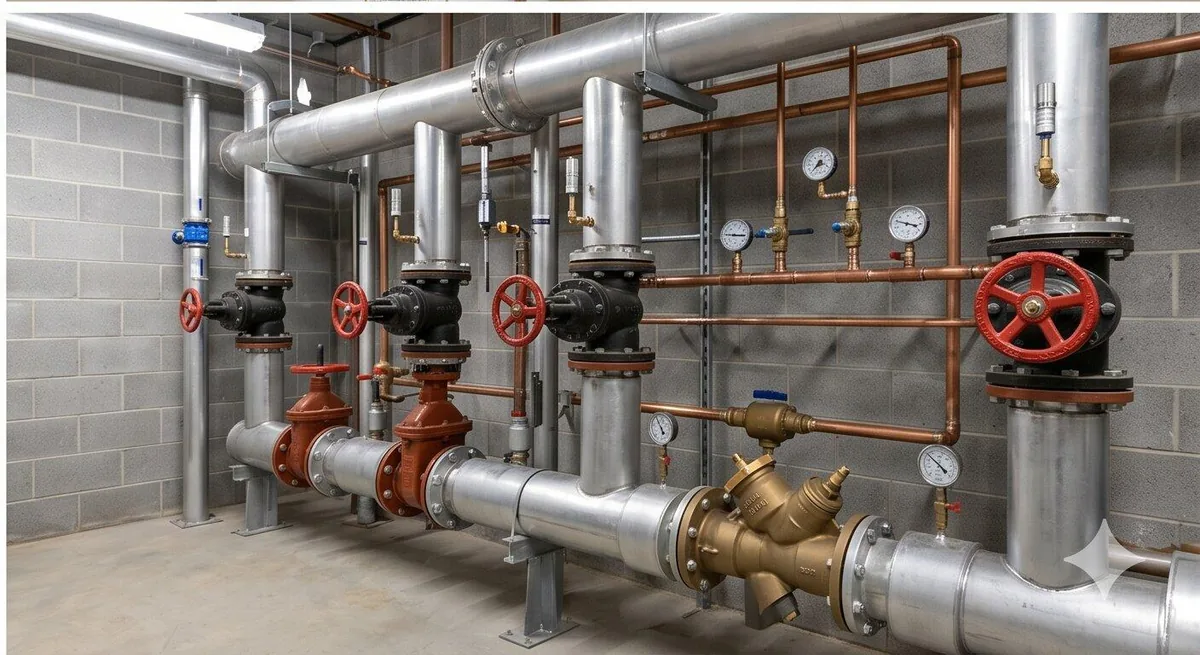
Business buildings have more fixtures on larger lines than a home, and they run all day. Restroom batteries use flush valves instead of tanks, kitchens drain to grease traps and a single main line may serve several tenants. The work begins with finding which part of the system has failed, and with how fast the building can get back to normal.
| What the business sees | Usual cause | Typical work |
|---|---|---|
| Several restroom fixtures back up | A clog or break in the building drain or sewer lateral | Clear the line, camera inspect and repair |
| Kitchen sinks drain slowly | Grease buildup in the line or the trap | Clean the line and service the grease trap |
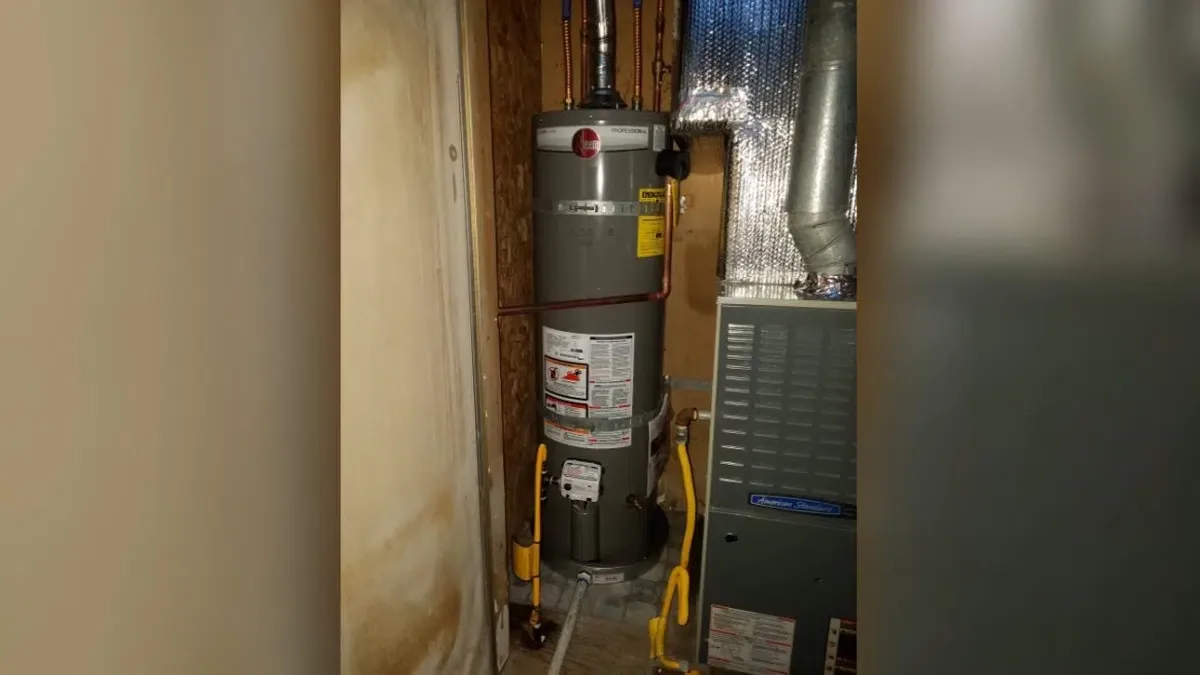
| No hot water for the kitchen or restrooms | A failed commercial water heater | Repair or replace the heater |
| Water stain on a ceiling or wall | A leak in a supply or drain line above | Locate the leak and repair the line |
| A flush valve runs or will not flush | A worn diaphragm or a failed valve | Replace the valve or its parts |
Which pages apply depends on the failure. A blocked line is covered under a clogged drain, a damaged building line under a sewer line problem, and a failed heater under heater diagnosis. Commercial work adds the building, the occupants and the hours of operation to each of them.
Restaurants and commercial kitchens
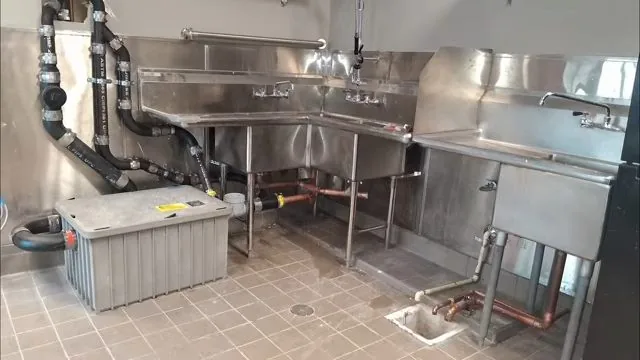
A commercial kitchen asks more of its plumbing than any other business. Grease, food solids and high flows meet the drain together, and a line that clogs during service stops the kitchen. Grease traps and interceptors catch fats before they reach the sewer, and they have to be cleaned on a schedule or they back up. A trap that is full is a common cause of slow floor drains and sink backups.
- Grease trap or interceptor. Serviced on a schedule that matches the volume of cooking, with the lid and the baffles inspected.
- Floor drains. Cleaned and flushed so that wash-down water does not stand in the kitchen.
- Three-compartment and prep sinks. Faucets, traps and drains checked for leaks and slow flow.
- Water heaters and booster heaters. Sized for dishwashing and cleaning demand, with hot water temperature kept steady.
- Gas lines to cooking equipment. Appliance connections checked and tested, as the gas piping page describes.
Grease trap and interceptor requirements come from the city or the sewer agency and the building permit. The plumber confirms which rules apply to your kitchen before any change to the system.
Business plumbing problem?
Call dispatch and describe the building, what has failed and when the business needs to reopen. A plumber serving your area picks it up from there.
Maintenance schedules, drain cleaning and water heaters
Preventive work cuts down on emergencies. A routine schedule for drain cleaning, grease trap service, water heater flushing and valve checks catches problems while they are small. How often depends on the use of the building. A busy restaurant has a very different schedule from a small office, and a plumber can set one that fits yours when you ask dispatch about a recurring visit or a maintenance contract.
- Scheduled drain cleaning for kitchen lines and floor drains.
- Grease trap pumping and cleaning at a set interval.
- Water heater flushes and inspection of relief valves and bracing.
- Checks of shutoff valves, flush valves and exposed supply lines.
- Leak checks on exposed lines in stockrooms and utility rooms.
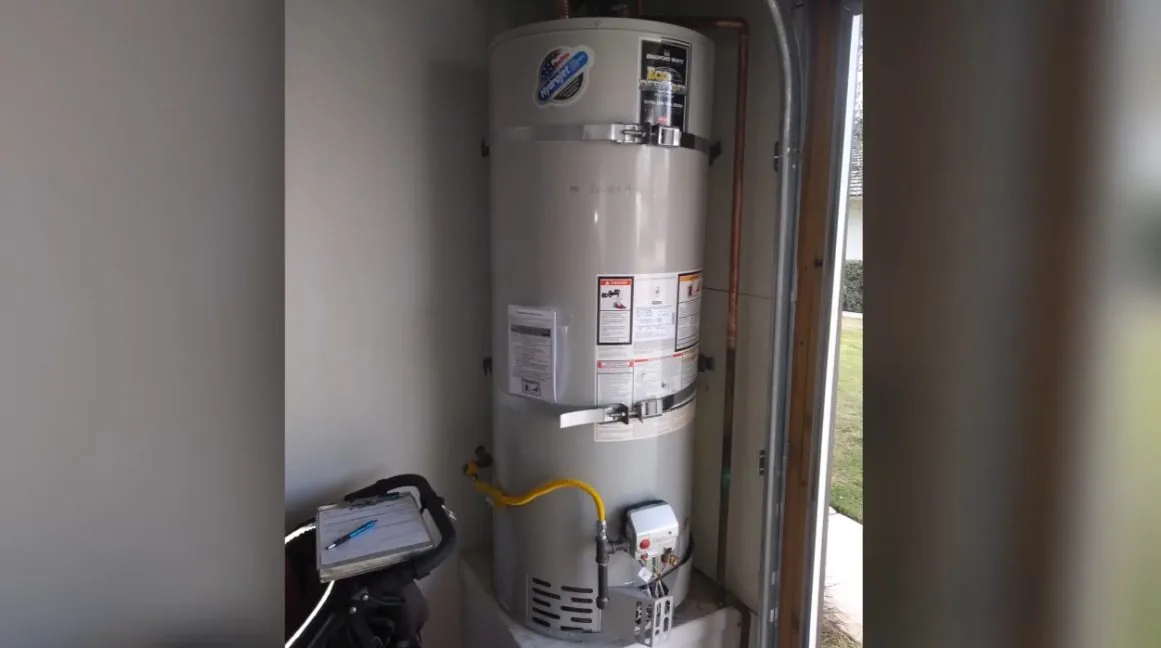
Commercial water heaters and tanks are larger than residential ones, and the installation rules differ. Bracing, venting and permits all apply, and the Building Division at (909) 399-5460 is the contact for what the city requires. A heater that has started to leak is a replacement, and leaks that have already wet floors or inventory should be treated as a water damage call.
Leak detection, pipe, slab and sewer repair in commercial buildings
Large buildings hide leaks. Pipes run through ceilings, chases and slabs, and a leak may travel before it shows. A meter test comes first, then listening gear and thermal tools to narrow the area. The methods are the same as the ones described on a leak detection visit, applied to bigger buildings with more lines.
Repairs depend on where the failure is. A broken line under a concrete floor in a shop can be repaired or rerouted, as set out under slab leak work. A failed building lateral is a sewer repair. Whichever it is, the plumber plans the work around the building's hours so tenants lose as little time as possible.
Need a commercial plumber in Claremont?
Call now and reach dispatch for a plumber serving your area. Same-day service is offered when available.
Multifamily, schools, senior living and light industrial
Claremont has more than shops and restaurants. The city's General Plan fiscal analysis, in a table from the 2004 to 2005 period, lists the Claremont Colleges, the school district, retirement communities such as Claremont Manor and Pilgrim Place, and Webb Schools among its larger employers. The list is dated, but it shows the range of buildings in town: campuses, schools and senior living, each with its own plumbing demands.
Building types and what each one needs
- Apartments and condominiums. Shared stacks and risers mean one leak can reach several units, and shutoffs and access have to be planned with management.
- Schools and campuses. Many fixtures, long runs and work scheduled around the school calendar.
- Senior living. Hot water temperature and reliable service matter, and repairs are scheduled with care for residents.
- Light industrial and cold storage. Floor drains, process water and refrigeration drains need to be kept clear and correctly routed.
Emergency calls for a business are handled by dispatch around the clock, and same-day service is offered when available.
Common questions about commercial plumbing
Do you work outside normal business hours?
Dispatch is open around the clock, and the plumber works with you on timing so the business is disrupted as little as possible.
How often should a grease trap be cleaned?
The interval depends on how much the kitchen cooks. The plumber sets a schedule after seeing how quickly the trap fills.
Who is responsible for repairs in a leased space?
The lease sets who pays. The plumber explains what failed and which part of the system it belongs to, and the parties sort out the rest.
Can the building keep operating during repairs?
Often partly. The plumber plans shutoffs and access around operating hours, and says plainly when a fixture or area must close.
Is a permit needed for commercial work?
Many commercial plumbing projects are permitted, and the city lists plumbing work in general. The Building Division can confirm what applies to your job.
Commercial plumbing in Claremont?
Call now and reach dispatch for a licensed and insured plumber serving your area. Same-day service is offered when available.
- Licensed and insured plumbers
- Same-day service when available
- 24/7 emergency dispatch