
24/7 Emergency Line Open
Claremont, CA · Sewer line repair and replacement
Claremont Sewer Line Repair and Replacement, From the House to the Main
Sewage that rises in the lowest tub or floor drain, or several fixtures that back up at once, usually means the trouble is in the sewer line, not in one trap. The first question is practical: is the blockage on your side of the property line, or in the city's main?
Dispatch lines up a plumber for your address, who clears the line, sends a camera through it to see why it failed and tells you whether it needs a repair, a lining or a replacement. Call dispatch day or night.
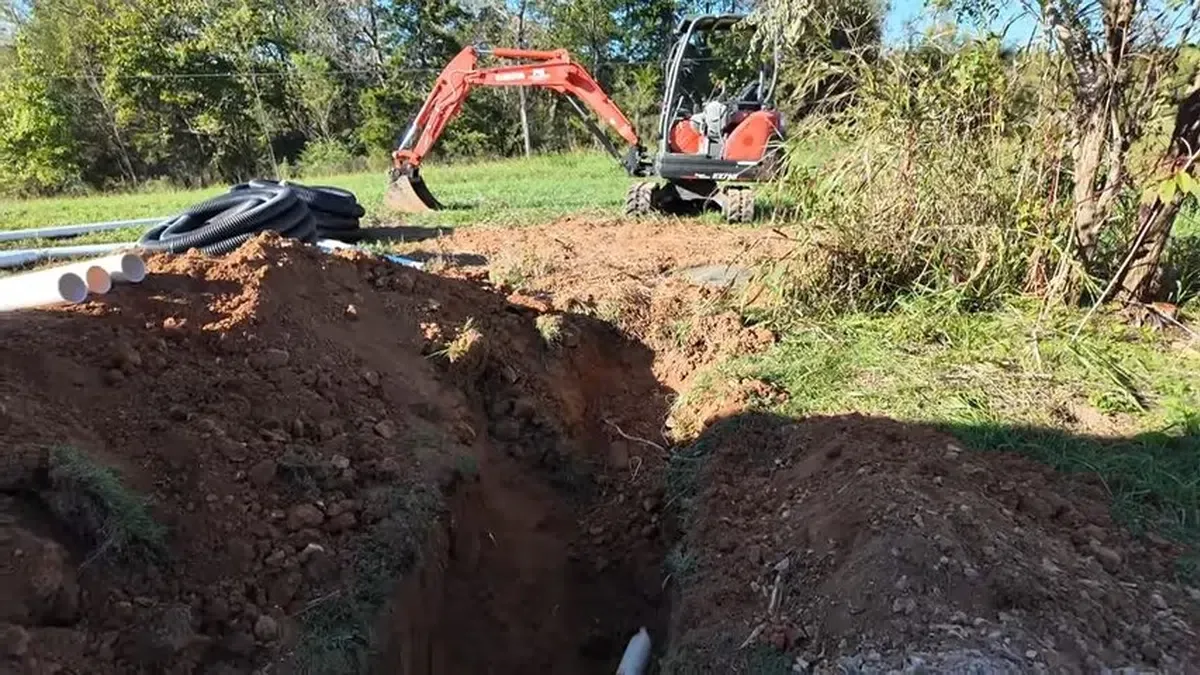
- Licensed and insured plumbers
- Same-day service when available
- 24/7 emergency dispatch
Whose pipe is it? The lateral, the main and who handles each
Claremont splits the sewer into two parts. The lateral is the pipe between your building and the main under the street, and the main belongs to the city. Under Claremont Municipal Code 13.02.010, maintaining, repairing and replacing the lateral is the sole responsibility of the property owner. The city owns and maintains roughly 122 miles of sanitary sewer mains, and its Community Services Department at (909) 399-5431 handles mainline blockages.
| Part of the system | Who maintains it | What it means on a backup |
|---|---|---|
| Fixture trap and drain inside the house | Owner | A plumber clears it |
| Lateral between the building and the main | Owner, under CMC 13.02.010 | Repair, lining or replacement is the owner's cost and decision |
| Cleanout where the lateral leaves the house | Owner | The plumber opens it to clear or scope the line |
| City sewer main in the street | City of Claremont | Call the city when the blockage is in the main |
To tell the two apart, ask the plumber for camera footage that shows where the blockage or damage sits. If the footage shows a clear lateral and the water is stopped farther down, the main may be the cause, and the city is the call. Neighbors on the same street backing up at once is a clue, but footage settles it.
Sewage coming up: what to do before the plumber arrives
- Stop adding water. No flushing, no laundry, no dishwasher and no long showers until the line is clear.
- Keep people and pets out. Floor drain overflow and tub backups carry waste, so close the room if you can.
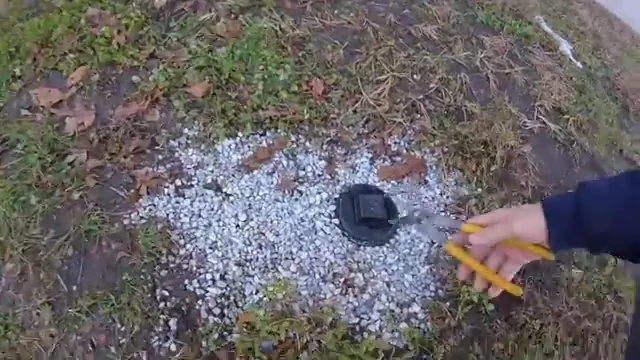
- Locate the cleanout. It is a capped pipe, usually near the house or at the property edge, and the plumber will want it uncovered.
- Photograph the spill. Date-stamped pictures help with any claim and show how far the water reached.
- Call dispatch. Describe which drains are affected, when it began and whether it has happened before.
Sewage backing up in the house?
Call dispatch, say which drains are affected and get a plumber lined up for your address.
Camera inspection: seeing the pipe before deciding
A camera sent through the cleanout shows the pipe from inside. Footage can reveal roots at a joint, a section that has sagged and holds water, a crack, an offset where two pipes no longer line up, or scale built up on an old interior. When a leak in the sewer line is suspected, the camera and a pressure check show it. The plumber marks the depth and distance of each problem on the surface above, so any repair is aimed at the right place.
- Roots pushing through a joint, which keep growing back unless the joint is repaired
- A low spot that holds water and collects waste
- A cracked or collapsed section, which cleaning alone will not fix
- A cleaned line that looks sound, so the cause was a passing clog
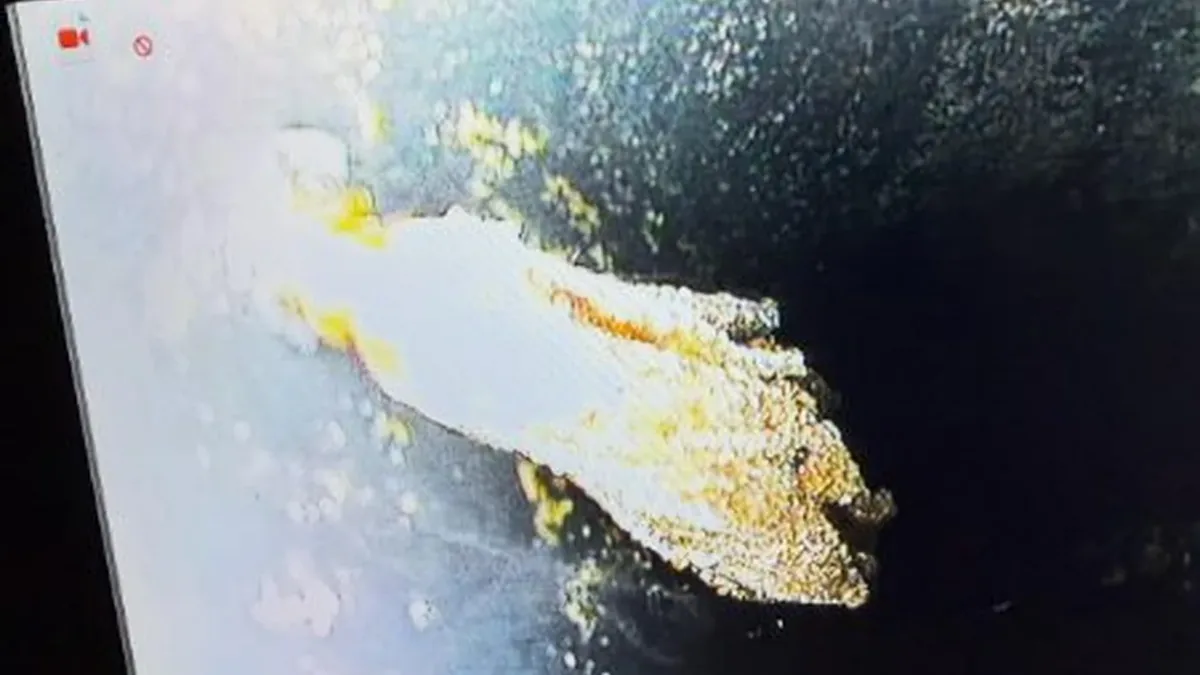
Ask for a copy of the recording and the footage location. Both help when you compare plans or need to show where the damage sits.
Sewer cleaning, spot repair or full replacement
The footage decides which of three paths fits. They are not a ladder you must climb in order.
Cleaning or rooter service
A sound pipe that is blocked is cleared with a cable or a jetter, and the camera confirms it is open. Routine clogs inside the property are handled under drain cleaning. A repeat blockage at the same spot means something is holding the waste there, so cleaning alone is a short-term answer.
Sewer repair
When damage is confined to one section, such as a cracked joint or a root-damaged length, that section is cut out and replaced, or lined from the inside. The footage should show that the rest of the line is in good condition, since a spot repair on a failing pipe only moves the next failure down the line.
Sewer replacement
If the lateral has a long run of cracked, sagging or collapsed pipe, replacing the whole run costs less trouble than repeated repairs. The median Claremont house went up around 1966 by neighborhood census figures, which makes older pipe material possible. Clay, cast iron and Orangeburg, a fiber pipe used in some mid-century construction, all fail in their own ways, and the camera shows which you have.
Not sure which pipe is failing?
Describe the backup to dispatch and learn if you need a clearing, a camera or a repair plan.
Trenchless lining, pipe bursting or an open trench
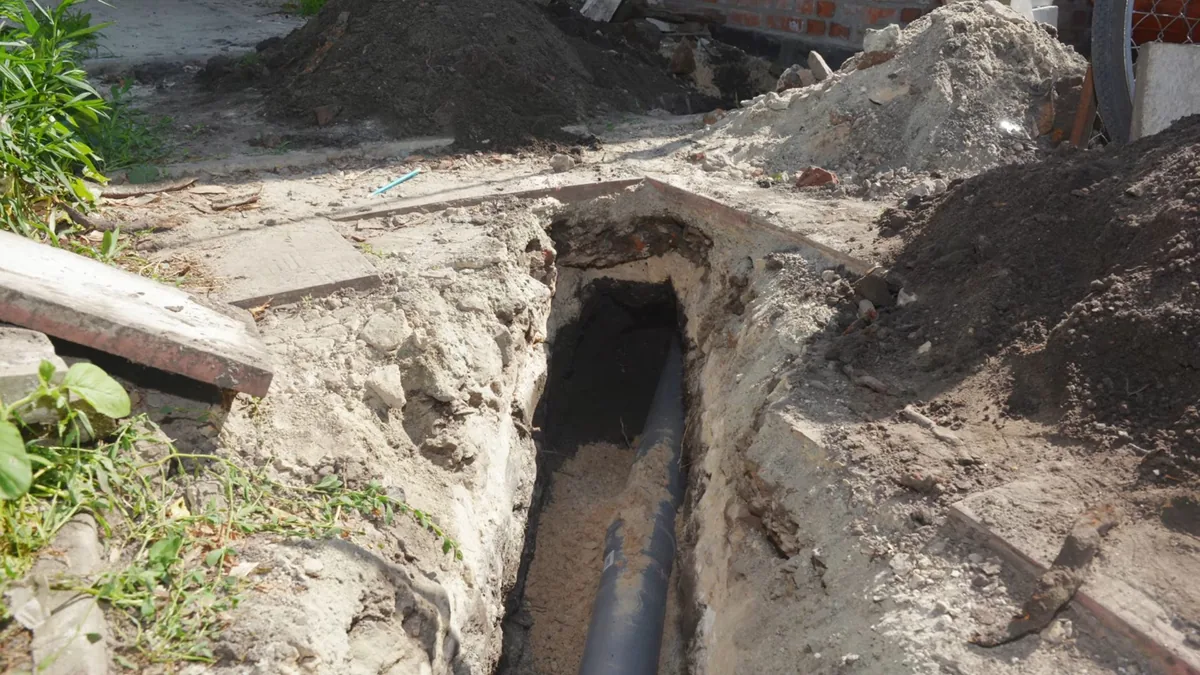
Replacement does not always mean digging up the yard. The right method depends on the pipe's condition, the depth, what sits above it and where the damage is.
| Method | How it works | Fits when | Watch for |
|---|---|---|---|
| Open trench | Dig down to the pipe, remove it and lay new pipe | The pipe is shallow, the path is clear or the line has collapsed | Landscaping, paving and the yard above the pipe are disturbed |
| Pipe lining (cured in place) | A resin-soaked liner is pulled into the old pipe and cured to form a new pipe inside it | The pipe still holds its shape and is accessible at both ends | A collapsed or badly offset pipe may rule it out, and the liner is slightly smaller inside |
| Pipe bursting | A tool pulls a new pipe along the old path while breaking the old one outward | The old pipe is failing along its length and entry points are available | Pits at both ends, and nearby utilities have to be located first |
Any digging needs a call to DigAlert at least two working days beforehand, a requirement the Contractors State License Board describes. Settle who places that call and who applies for the permit before the trench opens. The permit counter is at the Building Division, 207 Harvard Avenue.
Smell, cleanouts and the cleanup afterward
A sewer smell in the house or yard can come from a dry trap, a cracked section or a vent problem, and a camera look shows which. A cleanout that is missing or buried makes every future visit harder, and a plumber can add one when the line is opened. If a backup has already soaked flooring or drywall, the drying and sanitizing is a separate job, handled under damage cleanup. Porous materials that sewage soaked, such as carpet pad and drywall, are often removed instead of cleaned, so keep photos of them before anything is hauled out. If you cannot find a cleanout, say so when you call, because a plumber can sometimes work through a roof vent or a toilet, though that is slower and harder on the fixture.
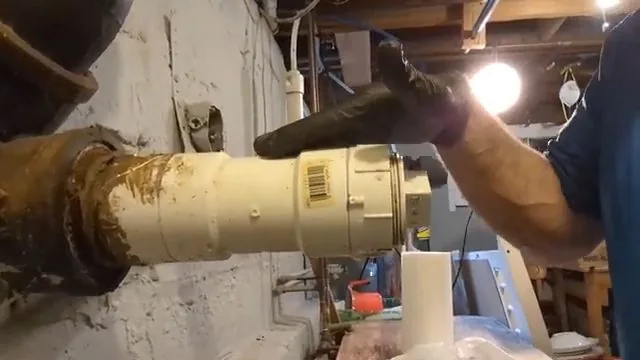
What to expect from a sewer visit
Does a camera inspection mean digging?
No. The camera enters through the cleanout, or through a toilet flange when no cleanout is accessible. Digging only comes after the footage shows where the damage is.
Is the city responsible if the blockage is in the main?
Yes. The main in the street belongs to the city, and its Community Services Department takes mainline blockages. The lateral on your property is yours, so the camera footage showing where the problem is matters.
Can roots be removed without replacing the pipe?
Roots can be cut back, and a lined or repaired joint can keep them out. If the pipe is cracked in several places, roots return, and replacement is the more lasting fix.
What should I do with the camera footage?
Keep the recording and the marked location. It shows the owner, the city or an insurer exactly where the damage is, and it lets you compare plans on the same facts.
How long can a sewer repair take?
It depends on the method and the depth. The plumber should give you the steps and the number of days before work begins, and should say when water will be off or the drains unusable.
Sewer line trouble in Claremont?
Call now and reach dispatch for a licensed and insured plumber serving your area. Same-day service is offered when available.
- Licensed and insured plumbers
- Same-day service when available
- 24/7 emergency dispatch