
24/7 Emergency Line Open
Claremont, CA · Water heater installation
Claremont Water Heater Replacement and Installation, Sized for the House You Have
A heater that is leaking from the tank, or one that has been repaired twice in a year, usually ends up as a replacement question. The useful answers come in a particular order: what fuel the house has, how much hot water it needs, where the unit can sit and what the city requires before and after the work.
On arrival the plumber measures the space, checks the gas line, vent and electrical supply, and then lays out the options with the permit steps attached. You decide from there.
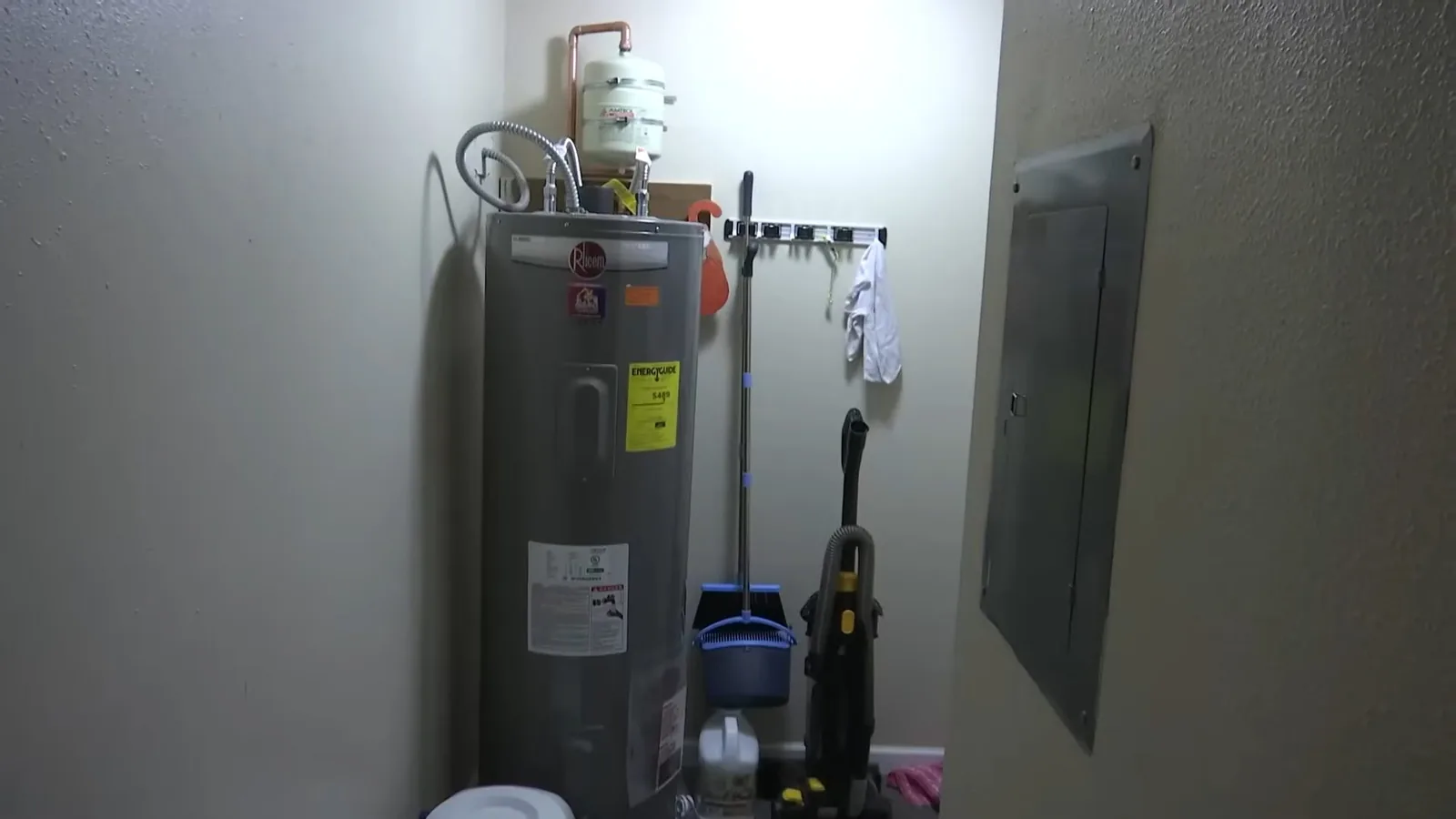
- Licensed and insured plumbers
- Same-day service when available
- 24/7 emergency dispatch
Replacing a water heater: what the swap involves
A like-for-like swap is the simplest version of this job. The old tank is drained and disconnected, the new one is set on its pan or stand, and the water, gas or electric, vent and relief connections are rebuilt to current practice. The work looks small, but each connection carries a risk: a poorly made gas joint, a vent that draws weakly or a relief pipe that ends in the wrong place can each cause real damage.
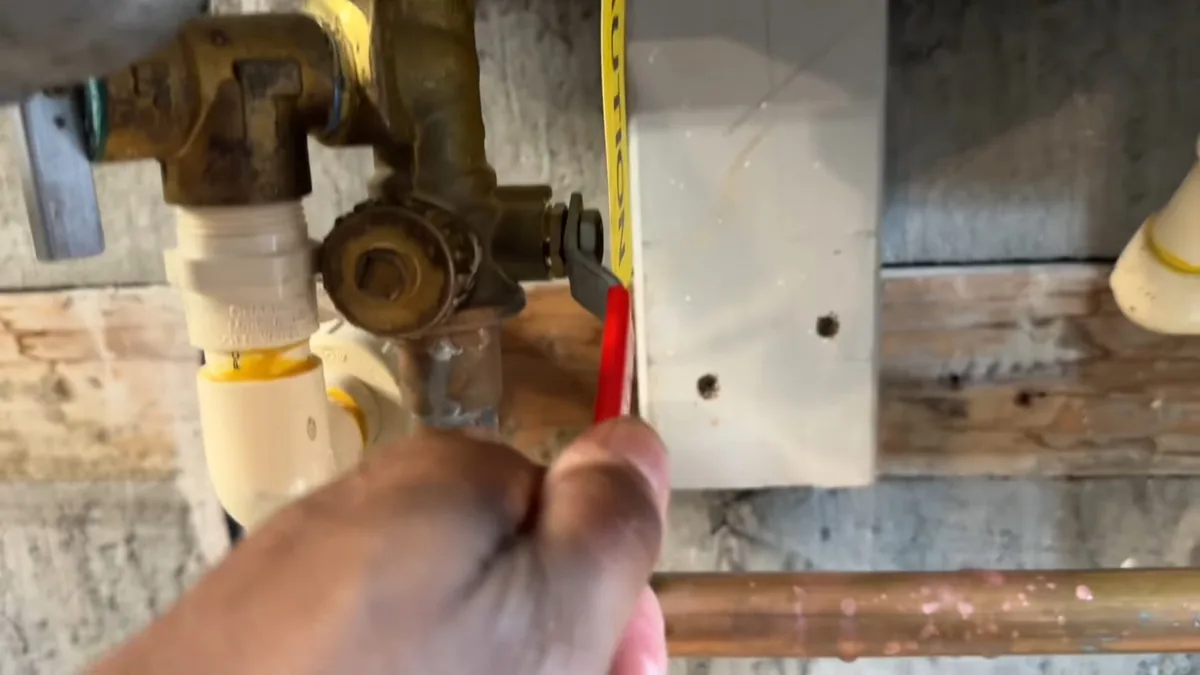
Where the old unit sits matters as much as the unit itself. Garage closets, hall closets and attic platforms each have clearance, drainage and access rules, and the plumber walks the space before quoting a type or size. If the heater is leaking now and the floor is wet, shut off the cold supply valve first and read water heater repair to see when a repair is still worth making.
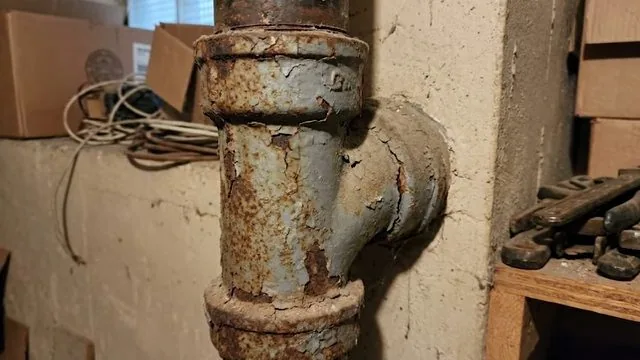
Gas, electric, hybrid or heat pump: choosing the fuel
The existing connections decide most of the choice. A house with a gas line at the heater can keep gas, switch to electric only if there is a spare circuit of the right size, or move to a heat pump model that cuts electricity use but needs room and airflow. A garage with no gas stub changes the cost of any switch to gas, since a new line is a separate job.
| Type | What it needs | Where it fits |
|---|---|---|
| Gas tank | A gas line, a vent to the outside and combustion air | Homes that already have gas at the heater and a working vent |
| Electric tank | A dedicated circuit and breaker of the right size | Homes without gas, condos and small closets with no vent path |
| Heat pump (hybrid) | Floor space, airflow, a drain for condensate and a suitable circuit | Garages and utility rooms with open air around the unit |
| Tankless | A larger gas line or electrical supply, plus venting for gas models | Households that want a compact unit and can meet its supply needs |
Tankless units are a separate decision with their own sizing and maintenance, covered on the tankless water heaters page. The plumber compares your actual choice to the circuit, line and vent already in the house before recommending anything.
Tank leaking or failing?
Call dispatch and describe the heater, its age and where the water is showing. A plumber serving your area confirms the next step.
Sizing: how many gallons the house really uses
Tank size is a match between storage and the busiest hour of the day. A two-person household that showers at different times can do well with a smaller tank, while a family that runs the dishwasher, a laundry load and two showers back to back needs more storage or faster recovery. Buying the same size as the old unit is common but not automatic, since the household may have changed since it was installed.
- Count the morning peak. Showers, the dishwasher and the washing machine running close together set the demand.
- Check recovery, not only storage. A unit that reheats quickly can serve a household better than a larger tank that reheats slowly.
- Think about the closet. A bigger tank needs more height, width and clearance for the relief valve and vent.
- Look at the long run. A guest room, a new bathroom or a home office addition changes how much hot water you need.
Point-of-use units and small under-sink heaters solve a different problem: a bathroom or kitchen far from the main heater where the wait for hot water is long. They supplement a main heater and do not replace one, and the plumber can tell you whether a distant fixture is better served by a small unit or by a recirculation setup.
Permit, expansion tank and code: what Claremont expects
The City of Claremont lists water heater replacement, relocation or installation among the work that needs a building permit. The Building Division, at 207 Harvard Avenue, can be reached at (909) 399-5460, and the plumber tells you who applies for the permit and who books the inspection before work starts. An unpermitted heater can come up again when you sell the house, so keep the permit record with your papers.
Several code items travel with a new heater. Section 19211 of the state Health and Safety Code requires residential tanks to be braced, which in practice means a pair of straps placed high and low on the tank. An expansion tank absorbs the pressure that builds when heated water has nowhere to go, and it is commonly added when the house has a closed system. A relief valve and a drain pipe that ends where water can run out safely finish the set.
The order of a typical installation
- Walk the space and read the old unit label and fuel connection.
- Choose a type and size that fit the demand and the closet.
- Confirm the permit and book the inspection with the Building Division.
- Install, brace, connect the vent, relief line and expansion tank, then test the burner or elements.
- Inspection, a walk-through of the shutoffs and a note of the date for your records.
Ready to replace the heater?
Call now and reach dispatch for a plumber serving your area. Same-day service is offered when available.
Water heater installation: gas line, venting and who owns which part
A gas heater is only as safe as the pipe feeding it. The gas utility maintains the line up to the meter, and according to SoCalGas's customer safety guide, the property owner is responsible for the lines after the meter. That means the heater hookup, the shutoff valve and the flexible connector are part of the plumbing job, and an old connector that is corroded or kinked gets replaced instead of reused.
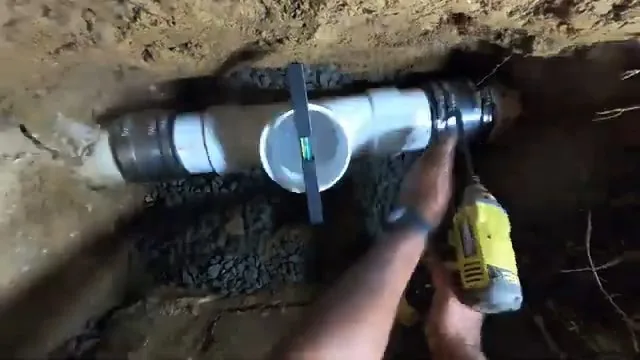
When a new heater needs a larger or longer run, or the house has no gas near the garage, the work moves into gas line work, where the line is sized, tested and permitted. The vent is the other half. A gas unit needs a flue that slopes up and draws, and a closet with no combustion air can cause back-drafting even when the burner lights.
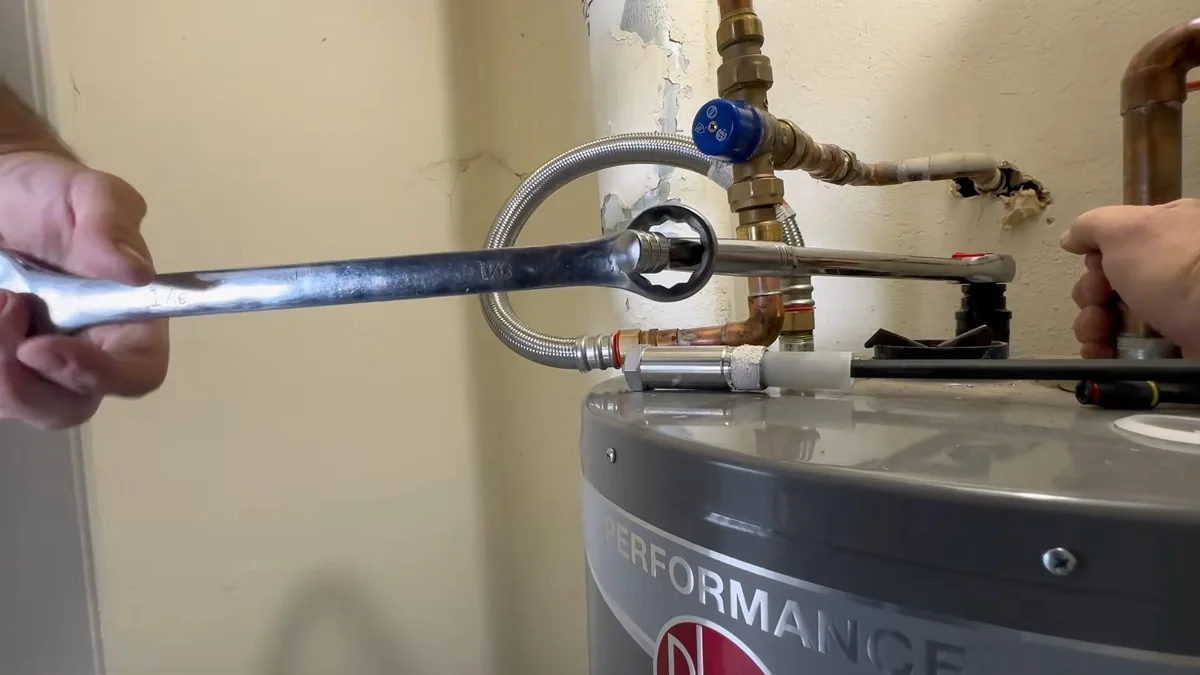
Choosing an installer comes down to a few questions. Ask who pulls the permit, who books the inspection, what happens to the old tank and whether the quote covers the vent, the straps and the relief piping.
Many Claremont houses date to the 1960s, with a median build year near 1966 according to a neighborhood profile built on census data. In a house that age the heater closet may predate current clearance practice, so expect the plumber to point out anything in the space that has to change.
Common questions about a new water heater
How long does a replacement take?
A straightforward swap in an accessible closet is usually a few hours, and a conversion between fuel types or a relocation takes longer. The plumber gives a realistic window after seeing the space.
Do I need a permit for a replacement?
The city lists water heater replacement among permitted work, so yes. The plumber explains who pulls the permit and the inspection steps for your address.
Can I switch from gas to electric?
Sometimes. It depends on whether the panel can spare a circuit of the right size and whether the room allows a heat pump if you want one. The plumber checks the panel and the space first.
Is the old tank hauled away?
Ask when scheduling whether removal of the old unit is included. A drained tank is still heavy, so do not plan to move it yourself.
When is a repair the better choice?
A leaking tank is a replacement. A heater that is sound but has lost a part is a repair, and the repair page explains how to tell the difference.
New water heater in Claremont?
Call now and reach dispatch for a licensed and insured plumber serving your area. Same-day service is offered when available.
- Licensed and insured plumbers
- Same-day service when available
- 24/7 emergency dispatch